Artificial Plant Design: Staying Ahead of the Curve
Current Trends in Artificial Plant Design & Décor
What Interior Designers & Property Managers Need to Know
Artificial plant design has evolved dramatically in the last few years. Today’s interiors demand greenery that is low‑maintenance, hyper‑realistic, biophilic, and scalable across residential, commercial, and multi‑unit properties. Whether you’re designing a model home, refreshing a lobby, or updating a leasing office, the right faux greenery can elevate the entire space while reducing long‑term maintenance costs.
Below are the top 2026 trends shaping how designers and property managers are using artificial plants to create modern, high‑impact environments.
1. Hyper‑Realistic Greenery That Mimics Nature
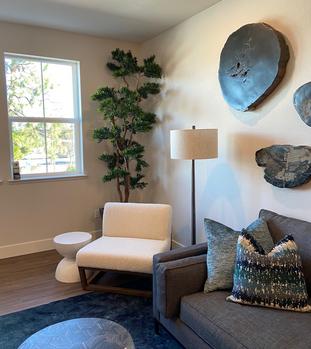
The biggest shift in 2026 is the demand for botanically accurate foliage—custom trees and plants that look hand‑selected from nature.
Designers are prioritizing:
- Natural trunk variations
- Multi‑tone leaves
- Organic asymmetry
- Real‑touch foliage
- Custom shaping for site‑specific installations
Property managers appreciate that these pieces maintain their look for years without watering, pests, or replacement cycles.
Most requested styles:
Fiddle leaf figs, olive trees, bamboo, birds of paradise, podocarpus, and mixed tropicals.
2. Biophilic Design for Wellness‑Driven Spaces
Biophilic design continues to dominate commercial and residential interiors. Artificial plants now play a major role in:
- Leasing offices
- Multifamily amenity spaces
- Healthcare waiting rooms
- Corporate lobbies
- Retail environments
Designers are using faux greenery to create:
- Calming zones
- Visual breaks
- Natural pathways
- Privacy screens
- Acoustic softening
The goal is to bring the psychological benefits of nature into spaces where live plants struggle to survive.
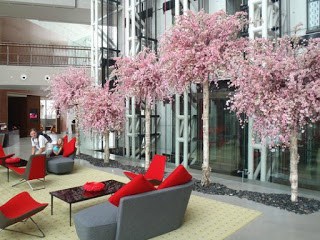
3. Large‑Scale Statement Trees
Oversized artificial trees are now a signature design element. They anchor open‑concept spaces and create a high‑end, hospitality‑inspired feel.
Popular placements:
- Hotel and office lobbies
- Multifamily clubhouses
- Luxury residential great rooms
- Restaurants and retail
Custom trees (10–20 ft) allow designers to match:
- Ceiling height
- Architectural features
- Brand identity
- Seasonal themes
Property managers love them because they deliver impact without ongoing plant‑care contracts.
4. Green Walls & Vertical Gardens
Vertical greenery continues to surge, especially in commercial and multifamily environments where wall space is abundant and floor space is limited.
Current trends include:
- Mixed‑texture green walls
- Moss art panels
- Logo‑integrated greenery
- Acoustic green walls
- Modular systems for large installations
These installations offer a high ROI for property managers because they instantly modernize older buildings and improve tenant perception.
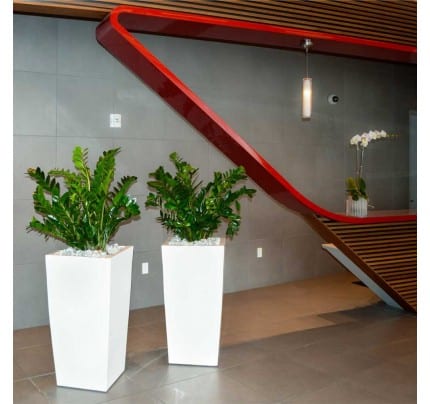
5. Planters as Design Elements
Planters are no longer an afterthought — they’re part of the design language.
Trending planter styles:
- Matte black or white fiberglass
- Tall architectural cylinders
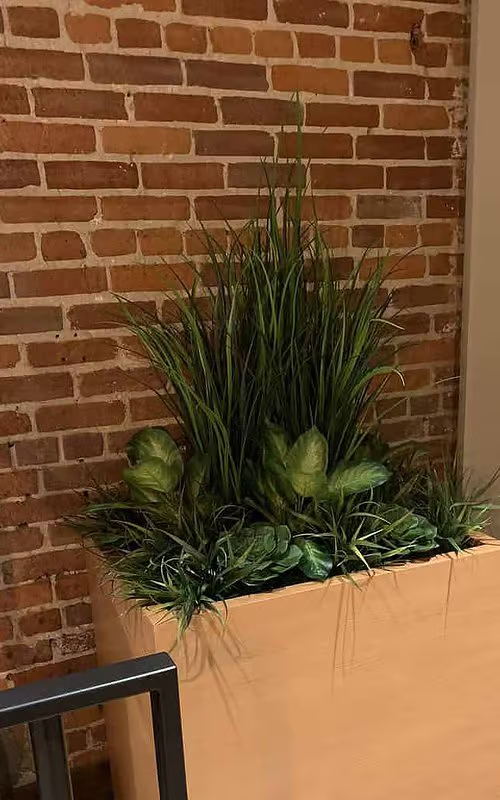
- Modern trough planters for privacy
- Textured stone‑look finishes
- Oversized planters for dramatic scale
Designers are pairing planters with artificial trees to create balanced proportions, using tools like Pacific Silkscapes’ planter‑sizing guide to ensure a professional look.
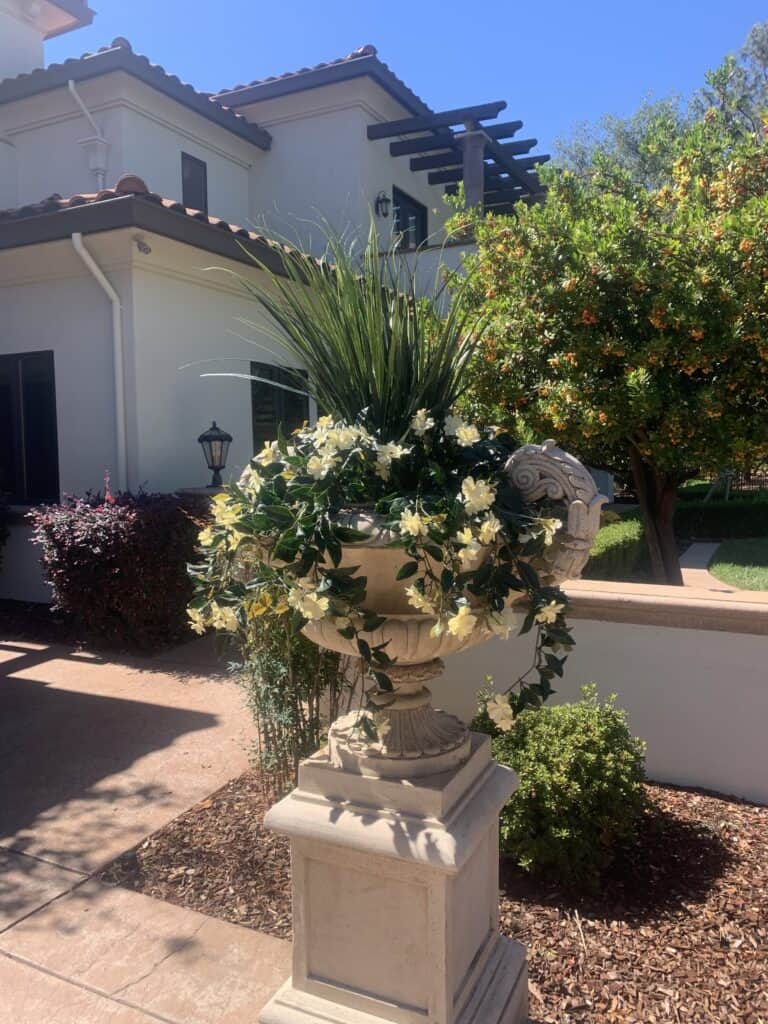
6. Outdoor‑Rated Faux Plants for Harsh Climates
Outdoor artificial plants have improved significantly, especially with UV‑resistant Polyblend® materials.
Ideal for:
- Multifamily courtyards
- Rooftop lounges
- Pool decks
- Retail storefronts
- Hospitality patios
Property managers appreciate that these plants:
- Don’t fade
- Don’t require irrigation
- Reduce maintenance costs
- Maintain curb appeal year‑round
7. Artificial Plants as Space Dividers
Privacy and zoning are major design priorities in 2026. Designers are using artificial greenery to create:
- Natural partitions
- Soft boundaries
- Visual privacy in open offices
- Screening between seating areas
- Pathway definition
Trough planters with tall grasses, bamboo, or podocarpus are especially popular for commercial and multifamily spaces.
8. Sustainable & Long‑Life Design Choices
While artificial plants aren’t “organic,” designers are choosing them for sustainability reasons:
- Reduced water usage
- No pesticides
- Long product lifespan
- Lower replacement frequency
- Less waste from dead plants
For property managers, this translates into predictable budgets and lower operational costs.
9. Custom Installations for Brand Identity
Businesses and multifamily communities increasingly want greenery that reflects their brand.
Custom options include:
- Branded moss art
- Signature lobby trees
- Themed plant groupings
- Color‑coordinated arrangements
- Seasonal refresh packages
These installations help properties stand out in competitive markets.
Final Thoughts
Artificial plant design in 2026 is all about realism, scale, wellness, and long‑term value. For interior designers, faux greenery offers creative freedom without the limitations of live plants. For property managers, it delivers consistent aesthetics with minimal maintenance.
Pacific Silkscapes Artificial Plant Company continues to support designers and commercial clients with:
- Planter selection and guidance
- Custom artificial Trees
- Large‑scale installations
- Green walls and moss art
- Outdoor UV‑rated plants
- Designer‑curated arrangements
Summary
Artificial plant design in 2026 blends high‑end realism with practical, low‑maintenance solutions that meet the demands of modern interiors. Today’s designers and property managers are turning to hyper‑realistic trees, biophilic accents, green walls, and large‑scale custom installations to elevate spaces while reducing long‑term upkeep. From wellness‑driven environments to outdoor UV‑rated greenery and architectural planters, the latest trends focus on creating natural, visually impactful designs that perform reliably in residential, commercial, and multifamily settings. This guide highlights the most influential styles and strategies shaping how artificial plants are used in contemporary décor.